Public science

Beginner

For school groups, first-time visitors and anyone curious about hearing and behaviour.

Start with something familiar

Before hearing is a sensation, it is movement.

A speaker moves air. Air moves an ear. The ear turns that motion into signals the nervous system can use. We study that transformation in animals whose sensory organs are small enough to reveal the mechanics clearly.

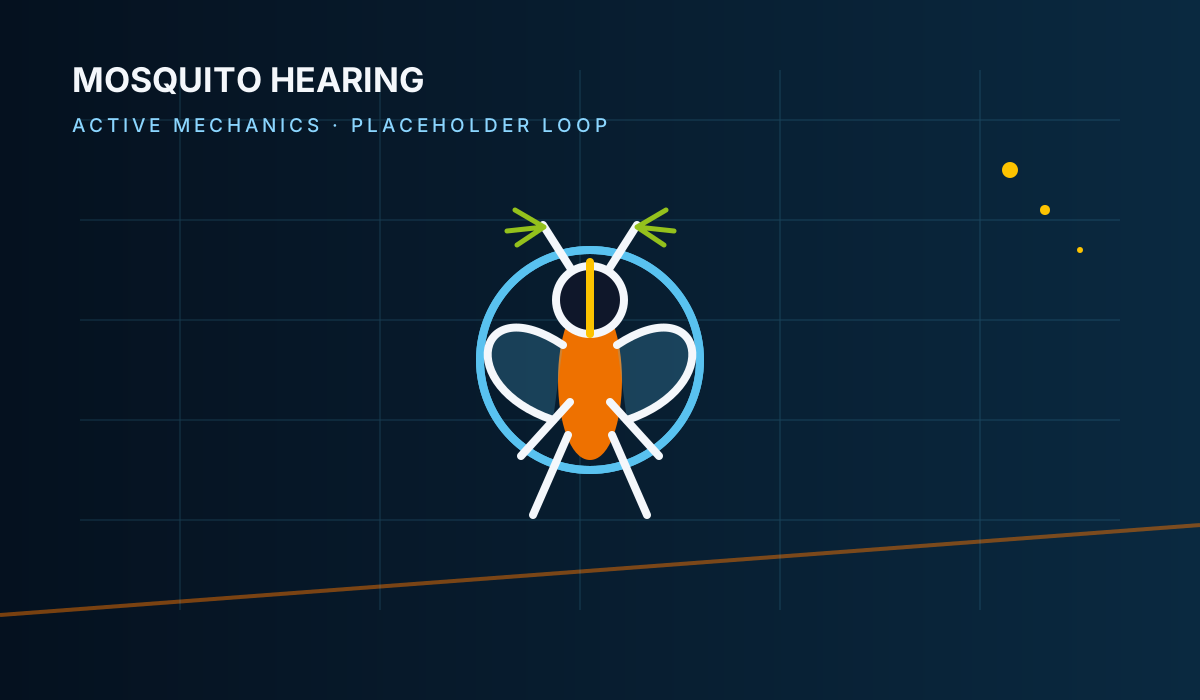
Illustrated visitor exploring how insects and ears relate to hearing
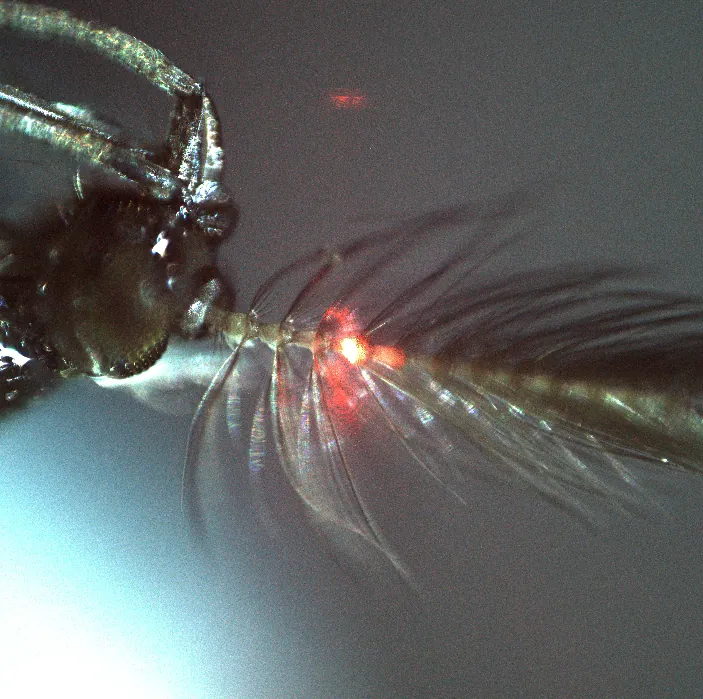
Mosquito ear image used as an accessible science placeholder
Tiny organ, big idea

A mosquito can hear a potential mate in a noisy swarm.

That gives us a wonderfully visual way to explain sensory biology: movement, resonance, nerve signals and behaviour all meet in one small organ. This section can later become a step-by-step interactive story.

Back to the beginning
Ask a scientist

Short answers from the lab

Accessible explanations introduce the physical and biological ideas behind hearing and mechanosensation.

Keep exploring — the quick explainers continue below.

The parallax story gives the page a sense of discovery without changing the simple audience selector on the landing page.

Project preview

Start with a moving story

Three visual entry points for visitors who are new to the science.

View all projects

Tiny ears, big questions

Accessible stories can explain why insects, spiders and humans belong in the same scientific conversation.

First idea

Sound is movement

Sound waves move air, antennae, hairs and membranes before neurons become involved.

Model organisms

Why fruit flies and mosquitoes?

Small animals can reveal principles that are difficult to see in larger systems.

Human relevance

Why this matters

Basic sensory biology helps us understand how hearing works and why it can fail.

Future interactive pieces

This orange branch can host diagrams, explainers and glossary cards.

glossary

What is mechanosensation?

A plain-language explanation of sensing touch, sound and vibration.

explainer

A visual guide to tiny ears

Use model organisms, clear diagrams and short stories for approachable science communication.

demo

Listen to a mosquito tone

Interactive pieces can later make the science tangible.

Calcium imaging setup as a 3D Gaussian-splat preview

For curious visitors

Walk into the laboratory

Take a guided first look at a real calcium-imaging setup. Rotate the scene, zoom in and explore the equipment from your browser.

Gaussian SplatCalcium imagingLocally hosted
Explore the lab in 3D